
Reframing premium EV competition around ownership confidence.
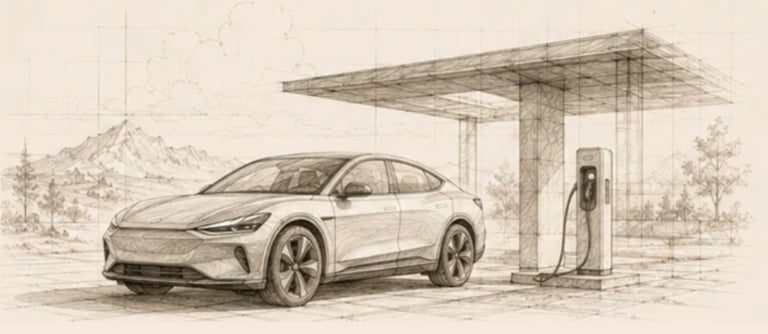
A premium EV brand was admired for engineering, range, refinement, and performance. But buyer hesitation was increasingly shaped by charging confidence, software maturity, service access, company viability, and whether the premium price felt earned.
The strategic read: move from defending specifications to shaping the premium EV decision story.
Takeaway: The brand could not win only by defending engineering superiority. It needed to shape the broader premium EV decision story around ownership confidence, service reassurance, technology maturity, and the emotional safety of choosing them.
Salient Observations
Charging confidence: The competitive question was not only range. It was whether buyers believed the ownership experience would be reliable, convenient, and anxiety-free.
Service access: Premium buyers were evaluating not only the car, but the support system around the car: service reach, responsiveness, parts, reliability, and after-sales confidence.
Software maturity: In premium EVs, software was not just a feature layer. It became part of perceived product completeness, brand maturity, and everyday ownership trust.
Viability perception: Brand desirability was being shaped by a deeper question: will this company still be strong enough to support the ownership journey over time?
